
By Hezron Ochiel
A question often comes up in communication circles, and it reflects what many professionals are observing in real time. As newsrooms shrink and social media expands, where does media relations fit today?
It is a fair question. Newsrooms have shrunk across many regions, and journalists are taking on broader responsibilities with limited resources. At the same time, organisations now have direct access to audiences through digital platforms, which has changed how communication is delivered and consumed.
A closer look reveals a steady pattern.
Media relations focuses on building visibility that search engines and AI systems can recognise and trust.
Media relations continues to hold its place because it builds credibility through independent validation, strengthens visibility in search environments, and increases the likelihood of being recognised by AI systems.
How the Demand Has Evolved
The communication field continues to grow in a structured way. Data from the U.S. Bureau of Labor Statistics show that public relations roles are projected to grow by about 10% over the next decade, reflecting steady demand for communication expertise.
Industry data show that more than 80% of professionals still consider media relations a core function of their work. Research from LinkedIn Talent Solutions highlights a shift toward specialised roles where outcomes such as visibility, authority, and placement carry more weight.
This points to a clear direction: demand remains present, and expectations are becoming more precise.
Trust Continues to Shape Attention
The growth of social media has expanded access to information and increased the speed at which content moves.
It has also shaped how audiences evaluate credibility.
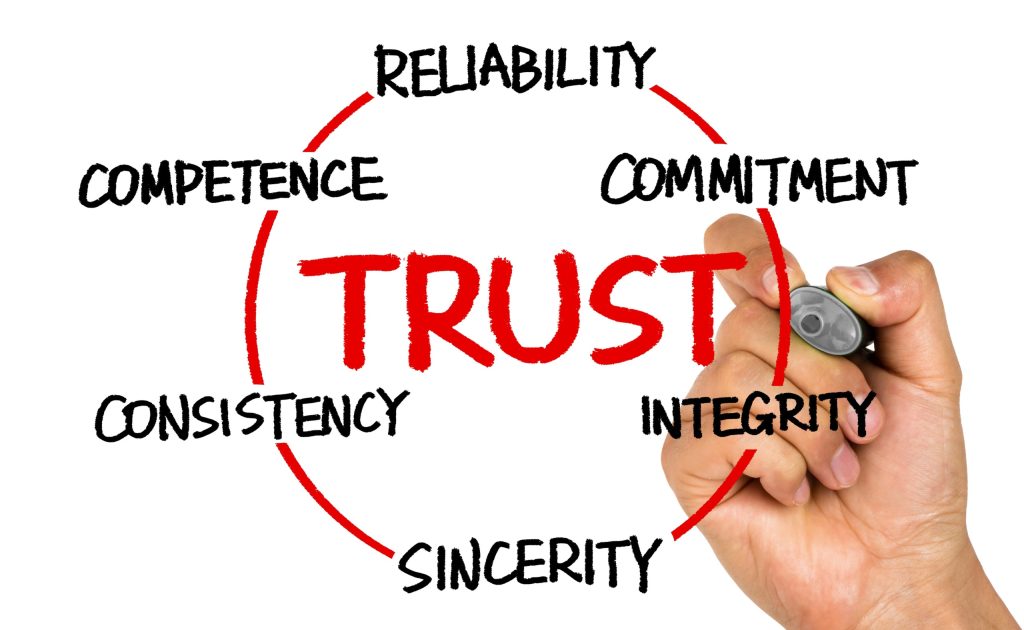
The Edelman Trust Barometer consistently shows that people place greater trust in information from credible, verified sources. Established media platforms continue to hold that position because they apply editorial standards that influence how information is framed and presented.
A story that appears in a recognised publication carries authority and signals that it has been reviewed and validated. This signal strengthens audience confidence and supports long-term trust.
Third-party validation remains a central pillar of effective communication.
Search and AI Reinforce the Role of Media
The way information is discovered now spans search engines, digital platforms, and AI systems, each of which organises content based on relevance, authority, and credibility.
Research from BrightEdge and Semrush shows that authoritative mentions and backlinks influence how content is ranked and surfaced in search results.
Digital PR connects media relations to these systems by earning coverage in credible outlets. These placements generate signals that search engines and AI systems use to determine what content should be prioritised.
This creates a clear outcome.
In today’s environment, media coverage serves as a signal that systems use to decide what to surface and what to ignore.
Visibility grows when recognition comes from trusted sources.
The Role Is Evolving in a More Defined Direction
The structure of media relations is changing in ways that reflect the current environment.
Journalists are receiving more pitches, and editorial decisions are becoming more selective. Stories are chosen based on relevance, clarity, and alignment with audience interest.
This environment rewards professionals who understand how to position ideas within broader conversations.
James E. Grunig emphasised that effective communication depends on aligning with the environment in which it operates. That environment now includes digital platforms, search systems, and evolving audience expectations.
Media relations continues to operate within this expanded space, and it adapts as the environment evolves.
From Media Coverage to Visibility Systems
The connection between media relations and digital visibility is becoming clearer.
Insights from Search Engine Land show that digital PR contributes to high-quality backlinks, brand mentions, and sustained visibility, which support both reputation and discoverability.
These signals help search engines assess credibility and guide AI systems in selecting which sources to reference.
Communication now extends beyond message creation. It includes structuring visibility so that ideas can be found, recognised, and trusted over time.
Media placement becomes part of a broader visibility system.
That system connects recognition to visibility, and visibility to authority over time.
What Organisations Are Looking For
A review of job descriptions across platforms shows a consistent expectation.
Employers are looking for professionals who can secure coverage in credible publications, build relationships with journalists and editors, and demonstrate a clear track record of media placements.
These expectations reflect a shift toward outcomes.
Organisations are looking for communication that leads to recognition and places their messages within trusted environments.
Where Opportunity Is Growing
This shift creates a clearer path for communication professionals.
Opportunities are moving toward specialised capabilities. Media access, story positioning, and relationship building are becoming areas of focus.
A tightening market often removes general roles and creates space for specialised expertise. Media relations is moving into that space, where value is defined by the ability to deliver recognition and visibility.
This shift creates opportunity for professionals who focus on depth, build strong networks, and understand how to position stories within trusted platforms.
Professionals who understand this shift are positioning themselves differently. They focus on building depth in areas that directly influence visibility and authority.
How to Build Media Access and Networks
Building media access and strong journalist networks requires a structured and consistent approach. These steps help communication professionals secure media coverage, build credibility, and improve visibility across search and AI systems.
1. Understand the media landscape in your field
Identify relevant publications, journalists, and editors who cover your area of expertise. Study the topics they publish, the angles they prefer, and how they structure their stories. This helps you align your communication with what media platforms are already prioritising.
2. Engage with journalists before pitching stories
Follow journalists on their platforms and interact with their content in meaningful ways. Share insights, comment thoughtfully, and contribute to discussions. This builds familiarity and increases the chances of your story being considered when you pitch.
3. Develop newsworthy and relevant story angles
Strong media relations depends on relevance. Connect your story to current issues, trends, or public interest topics. Journalists prioritise stories that add value to their audience and fit within ongoing conversations.
4. Build your personal and professional visibility
Publish articles, insights, and commentary consistently on your platforms. This creates a visible record of your expertise and positions you as a credible source that journalists can trust and reference.
5. Align your story with timing and news cycles
Timing plays a critical role in securing media coverage. Pitch stories that connect with current events, seasonal trends, or emerging issues. Well-timed stories are more likely to be picked up and published.
6. Maintain consistent and professional engagement
Stay visible through regular interaction and follow-up. Professional and respectful communication strengthens relationships and keeps you top of mind when journalists are sourcing stories.
7. Build trust through accuracy and reliability
Provide accurate information, respond promptly, and respect editorial processes. Trust grows when journalists know you are a reliable source of credible information.
Final Thought
The communication environment continues to expand in ways that connect reach, credibility, and visibility.
Social media provides access and scale, while media platforms provide validation and trust.
Search and AI systems organise and recommend information based on authority.
These elements work together to shape how communication delivers impact.
Media relations continues to matter because it connects ideas to recognition, and recognition strengthens trust over time.
The role is becoming more defined, and it continues to create space for those who understand how visibility is built.
Media relations continues to matter because recognition shapes visibility, and visibility shapes what people and systems come to trust.
Hezron Ochiel is a Strategic Communications Expert at Kenya Medical Training College (KMTC), a leading government health training institution in Kenya. He is a best-selling author, visibility strategist, and Founder of Hezron Insights. His work focuses on leadership, resilience, digital authority, and AI-driven storytelling, reaching audiences across Africa and beyond.