
By Judith Akoth
A new study has revealed that social media is the most preferred medium for communication among students and staff at the Kenya Medical Training College (KMTC).
Most study participants said they are more likely to check their phones than read a noticeboard for updates on exams, events, or other activities.
The communication audit published on the Daystar University repository shows that 66.7 percent of respondents said digital platforms like WhatsApp, X (formerly Twitter), Instagram, or Facebook greatly meet their information needs, making them their most preferred channels.
Face-to-face communication followed at 62.1 percent, while print media scored 44.8 percent. Electronic tools like email and SMS came in last at 44.4 percent.
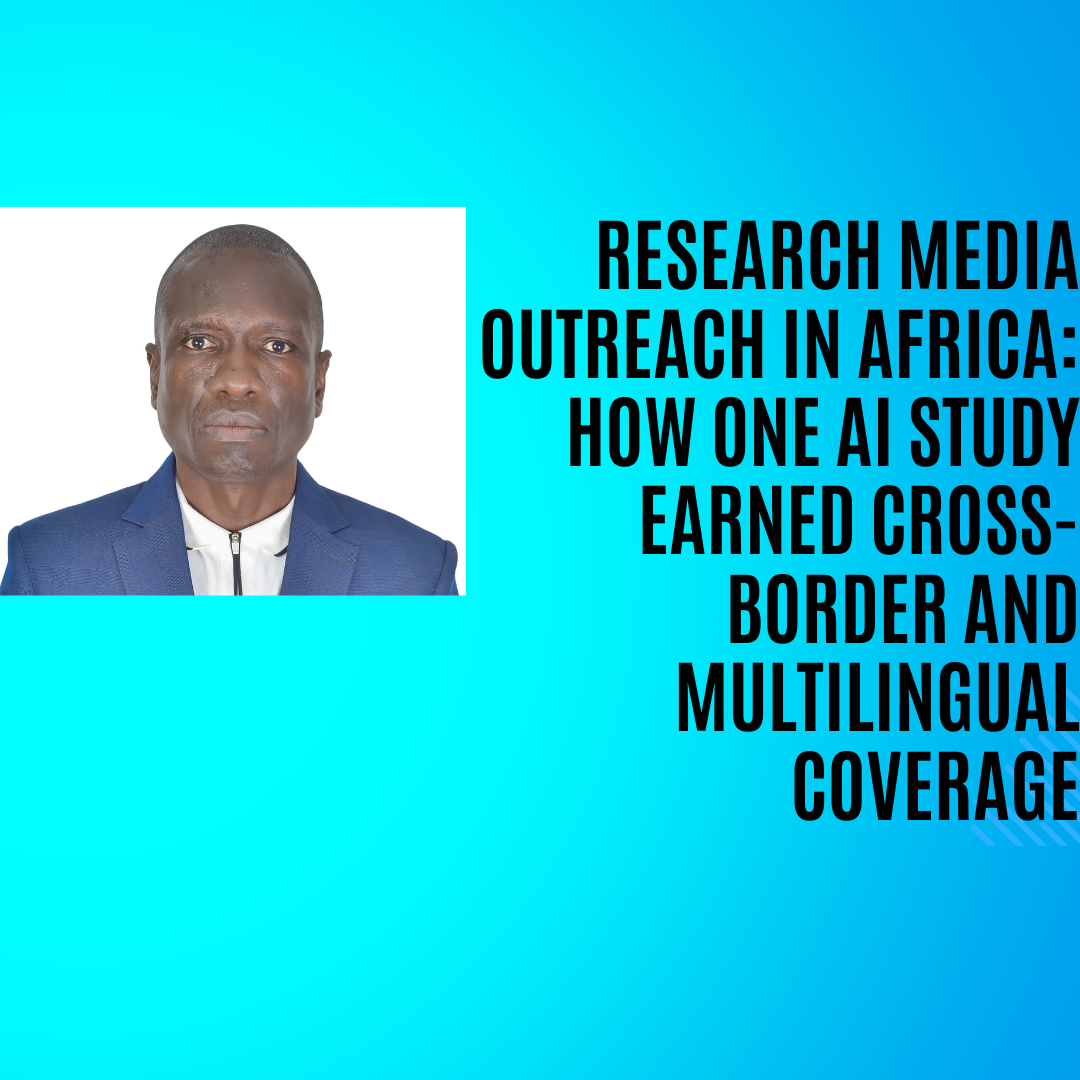
“The findings reflect the communication habits of a predominantly young and digitally savvy student population. For most of them, social media remains their primary source of information. This generation lives online,” says Hezron Ochiel, the lead researcher.

The digital generation left behind
According to the 2024 customer satisfaction survey report, most KMTC students are between 20 and 25 years old. They consume information online, in real time, and expect the institution they belong to do the same.
With widespread access to the internet and smartphones, digital platforms have become the go-to communication tools for most young people worldwide. However, the study found that KMTC still relies heavily on printed notices such as circulars and memos, alongside face-to-face communication.
Bold steps
The study found that while KMTC has invested in tools like a modern website and portals, several students said they do not use the student portals, and some were unaware they exist. Others who know about them admitted they are unsure how to navigate them.
This inconsistent access to information may create confusion and frustration.
“When communication is delayed or unclear, it may disrupt learning,” Ochiel explains. “In a fast-paced health environment where lives matter the most, even slight delays can have serious consequences,” he adds.

Bridging the gap
The study recommends several low-cost, high-impact interventions. These include integrating class representatives into official communication workflows and using live sessions on platforms such as Twitter Spaces, YouTube Live, and Facebook Live to share real-time updates.
To enhance overall communication effectiveness, it also proposes offering basic training for staff on email etiquette and digital responsiveness. Improving the visibility of the college website and digital platforms is equally important.
The study notes that the bigger shift is for KMTC to treat communication as part of medical training, not just administration.
“Communication is a critical soft skill in high demand across today’s job market. It should be fully integrated into the training curricula of medical institutions globally. This is one of the most effective ways to prepare future health workers to be sharp, confident, and ready for the field,” says Ochiel.
Some progress, but more needed
KMTC has begun rolling out a centralized digital system to improve communication flow. Plans are also underway to launch an Unstructured Supplementary Service Data (USSD) platform so students can access college services at the click of a button from basic phones. Additionally, a chatbot is being integrated into the institution’s website to address common questions and service requests.
These steps are promising, but as the study shows, success will depend on how well these tools are introduced, used, and trusted.
“You can have all the systems in place,” Ochiel notes. “But if you are not using them well or listening to feedback, it may not make a difference,” he adds.

Trust Is Built Through Communication
The audit findings come at a critical time when many institutions in Kenya are compelled to rethink how they engage with their stakeholders, especially in light of the recent Gen Z protests in Kenya. These protests, primarily driven by younger generations demanding greater transparency and accountability, highlighted the growing pressure on institutions to evolve and meet the demands of the digital age.
As younger populations increasingly turn to social media and digital platforms, their expectations around communication have shifted. This has led organizations to abandon outdated methods and embrace more immediate, transparent, and inclusive communication strategies.
In an age where social media messages can reach thousands in seconds, sticking to traditional communication channels has become obsolete and risky.
“When students feel left out, they check out,” said one student leader involved in the study, emphasizing the need for institutions to prioritize inclusivity and accessibility in their communication efforts.

Looking ahead
As Kenya moves to strengthen its frontline health workforce, how training institutions like KMTC communicate with their students and staff will matter just as much as what they teach.
“This is not about posters versus tweets. It is about preparing medics who are informed, agile, and ready for the world they are about to serve,” Ochiel concludes.
The message is simple: If you want to be heard, go where your people are. At KMTC, that place is online.
What Sparked the Communication Audit at KMTC?
A seemingly ordinary conversation over tea in the office sparked a journey that would later transform how communication is perceived within one of Kenya’s most prominent medical training facilities, KMTC.
“It all started with a casual remark. A colleague expressed frustration about only finding out about major college events once the guests had already arrived, with no prior notice,” reports Ochiel.
“That is when I noticed a big gap in internal communication, and that is how the research topic was born,” he adds.
She was not alone, and the concern quickly gained traction within the communications team.
For Ochiel, a Communications Expert at KMTC, the realization was a wake-up call.
“If internal stakeholders are finding out about events in hindsight, what does that say about our communication ecosystem?” he recalls.
That single moment sparked the launch of a full-scale communication audit. This institutional review assessed how efficiently and reliably KMTC shares information internally and externally.
“Communication should not feel like a game of hide and seek,” says Ochiel. “Everyone, from the CEO to the receptionist, deserves to be informed, and in good time,” he adds.
Why Conduct a Communication Audit?
At its core, a communication audit explores whether the right messages are being sent to the right people, through the proper channels, and at the right time.
KMTC, with more than 60,000 students and 90 campuses across the country, operates a complex communication system. Ensuring clarity, consistency, and coherence in messaging is not optional for such a large institution. It is essential.
The 2024 communication audit builds on insights from a 2021 social media listening review, conducted by Ochiel, which revealed a major gap: KMTC’s digital platforms primarily focused on highlighting leadership activities, often sidelining students and staff. The report, which was not published, also noted that the tone and style of messaging felt disconnected from students’ everyday realities and expectations.
“One key principle of effective communication is tailoring messages to fit the audience. When you speak their language, matching their tone, style, and preferences, they are more likely to listen, understand, and engage,” affirms Ochiel.
In response, the Corporate Communications division made a significant shift. Messaging was restructured to place students and staff at the center, with a deliberate move toward more relatable, student-friendly language. This change sparked noticeable improvements. Social media platforms began to increase engagement, with increased comments, likes, and shares.

Implications for KMTC
“We must stop assuming that just because we communicated, people actually understood or even saw the message,” says Ochiel.
Based on the findings, the researcher recommended:
- Launching a monthly KMTC Bulletin distributed via WhatsApp and email.
- Creating a centralized events calendar accessible to all departments.
- Training staff on institutional tools like email and the Enterprise Resource Planning (ERP).
- Repackaging content to be more visual, engaging, and tailored to younger audiences.
Why Regular Audits Matter
Communication audits should not be one-time exercises. When done regularly, they act as pulse checks for institutional health.
They help organizations:
- Uncover communication bottlenecks.
- Align strategy with stakeholder needs.
- Avoid surprises by creating feedback loops.
- Plan for change in a structured way.
Final Thoughts
The audit provided a helpful snapshot of how communication flows within the institution and where improvements are needed. It highlighted both strengths and gaps and offered practical recommendations for better engagement with staff and students.
Regular communication audits like this can help institutions identify blind spots, adjust strategies, and stay aligned with their stakeholders’ changing expectations. As communication methods evolve, ongoing assessment remains a valuable tool for maintaining clarity, consistency, and responsiveness across the board.
Want more inspiring stories like this? Subscribe to our newsletter or share this article with someone who needs a reminder that the fall is not the end; it could be the beginning.