
My passion for trending on social media is fueled by my admiration for Eric Amunga, widely recognized as @Amerix on X (formerly Twitter). He is a prominent medical consultant behind the popular #MasculinitySaturday hashtag. His rise to fame comes from offering guidance to men on various topics, including relationships and other aspects of life. While this isn’t about the specifics of his teachings, I’m particularly inspired by his content strategy, which ensures that #MasculinitySaturday consistently trends.
At Kenya Medical Training College (KMTC), where I work, there’s a strong commitment to making major events, such as graduations, trend online. This strategy aligns with other impactful tactics we use to maintain a significant digital presence.
The global explosion in social media users, which hit 4.9 billion in 2023 and is expected to grow to nearly 5.85 billion by 2027, underscores the importance of establishing a solid digital footprint. In today’s digital age, businesses across the globe are leveraging social media to engage customers, boost brand awareness, and drive revenue.
Understanding Social Media Trends
Social media trends involve content that garners widespread attention, with algorithms promoting popular and engaging posts. Trending is vital for digital marketers like myself, as it builds brand familiarity and prepares customers to make purchasing decisions when the time is right.
My drive to master social media marketing has led me to continuously hone my skills in this area, aiming to gain recognition among top digital strategists. I’ve invested countless hours in expanding my expertise in digital marketing and enhancing my online presence. This dedication paid off with the achievement of a digital marketing certification from Google.
What is Digital Marketing?
Digital marketing encompasses all online efforts to reach target audiences, including social media, Search Engine Optimization (SEO), websites, and email. Throughout my career, I’ve witnessed the tremendous impact of digital marketing. In my previous roles, I saw how digital platforms could mobilize resources, expand partnerships, and build strong brands.
Opportunities in Digital Marketing
While digital marketing offers vast opportunities for organizations and individuals, many institutions—especially public ones—are yet to fully tap into its potential. One significant challenge is the limited budget allocations for marketing initiatives, as public institutions often juggle competing priorities like public services, infrastructure, and education. Additionally, the bureaucratic nature of these institutions, with complex decision-making processes and multiple approval levels, can slow down the adoption of digital strategies.
Global digital ad spending is projected to hit $485 billion in 2023, highlighting the competitive nature of the digital marketing landscape. When I joined KMTC in 2020, I brought with me extensive digital marketing experience and strategic communications expertise, which proved crucial.
As a mid-level medical training institution serving primarily young adults aged 18 to 25, KMTC stands to significantly expand its client base by embracing digital marketing. It’s almost common knowledge that traditional media marketing, through TV and newspapers, is rapidly declining, with social media stepping in to fill the gap.
Even KMTC, which once relied heavily on traditional media, has found social media to be a more effective marketing approach. Although no formal study has been conducted, a past survey revealed that the majority (60%) of respondents learned about the College through its social media platforms.
Similarly, during the March 2021 intake, an online campaign promoting college courses led to a notable increase in applicants, further proving the growing acceptance of social media marketing among our audience. When colleagues jokingly ask in planning meetings whether the institution is going to trend online, it’s a clear acknowledgment that social media marketing has become the go-to strategy.
Leading this effort, my primary goal has always been to build a strong digital presence for KMTC, ultimately increasing the uptake of our programs.

Interestingly, trending isn’t a walk in the park; it demands strategic planning and diligent execution.
While some institutions with large marketing budgets engage social media influencers, in the absence of such resources, well-thought-out strategies prove equally effective.
Executing a successful online trend during our last week’s 92nd graduation, involved careful planning and the implementation of various strategies tailored to engage our audience effectively.
Here’s a detailed breakdown of the steps we took:

1. Content Strategy
a. Developed a robust content marketing strategy with a diverse mix of engaging social media content and valuable posts, including strategically pre-scheduled social media messages on the eve of KMTC graduation.
b. Created the #KMTCgraduation hashtag to enhance content discoverability and reach a broader audience. Prioritized simplicity and memorability to prevent confusion among stakeholders.
c. Designed social media cut-outs to assist graduates in capturing photos for online sharing, optimizing user-generated content.
2. Encourage Retweets, Comments, and Shares
a. Crafted tweets in a student-friendly tone to stimulate retweets, likes, and shares, emphasizing simple language for maximum attractiveness.
b. Actively engaged with KMTC graduates, students, and staff by responding to comments and strategically retweeting relevant content, fostering a sense of community.
3. Create Compelling Visuals
a. Developed eye-catching visuals for social media, including images and videos to complement tweets. Popular visuals featured KMTC graduates in graduation gowns and images of students, driving high engagement.
b. Utilized short videos of graduates sharing their study experiences, garnering significant views. Saved images using the hashtag for Google indexing, aligning with our search engine optimization (SEO) strategy.
4. Tweet Consistently
a. Maintained a consistent tweeting schedule, initiating the campaign a month before graduation to build awareness and garner support.
b. Shared a well-balanced mix of promotional tweets, informative content, and interactive posts.
c. On graduation day, assembled a team of social media warriors equipped with messages and images, each tasked with tweeting at least five messages on the eve and day of graduation.
5. Encourage User-Generated Content
a. Actively encouraged user-generated content from graduates, students, staff, and alumni to share congratulatory messages and experiences with the College.
b. Mitigated the influx of first-person posts by composing a post inviting interested individuals to share their congratulatory messages and photos, subsequently posted online.
6. Timing Matters
a. Tweeted at optimal times for engagement, targeting between 8:30 am and 9:00 am to coincide with peak audience activity.
b. Scheduled tweets strategically to align with peak engagement periods, maximizing visibility.
7. Ads
a. Promoted a few posts using social media advertising to amplify reach and engagement.
b. Utilized targeted advertising to specifically reach the youthful demographic, constituting our primary clientele.
Inaccurately implementing these social media strategies, we achieved a 48-hour online trending during the graduation, effectively engaging our audience and achieving widespread visibility.
I greatly value your feedback. Did you find my social media marketing tips useful? Please share your thoughts in the comments below.
Do you know someone who might benefit from my insights? Please forward them this article so they can subscribe to my updates at hezroninsights.
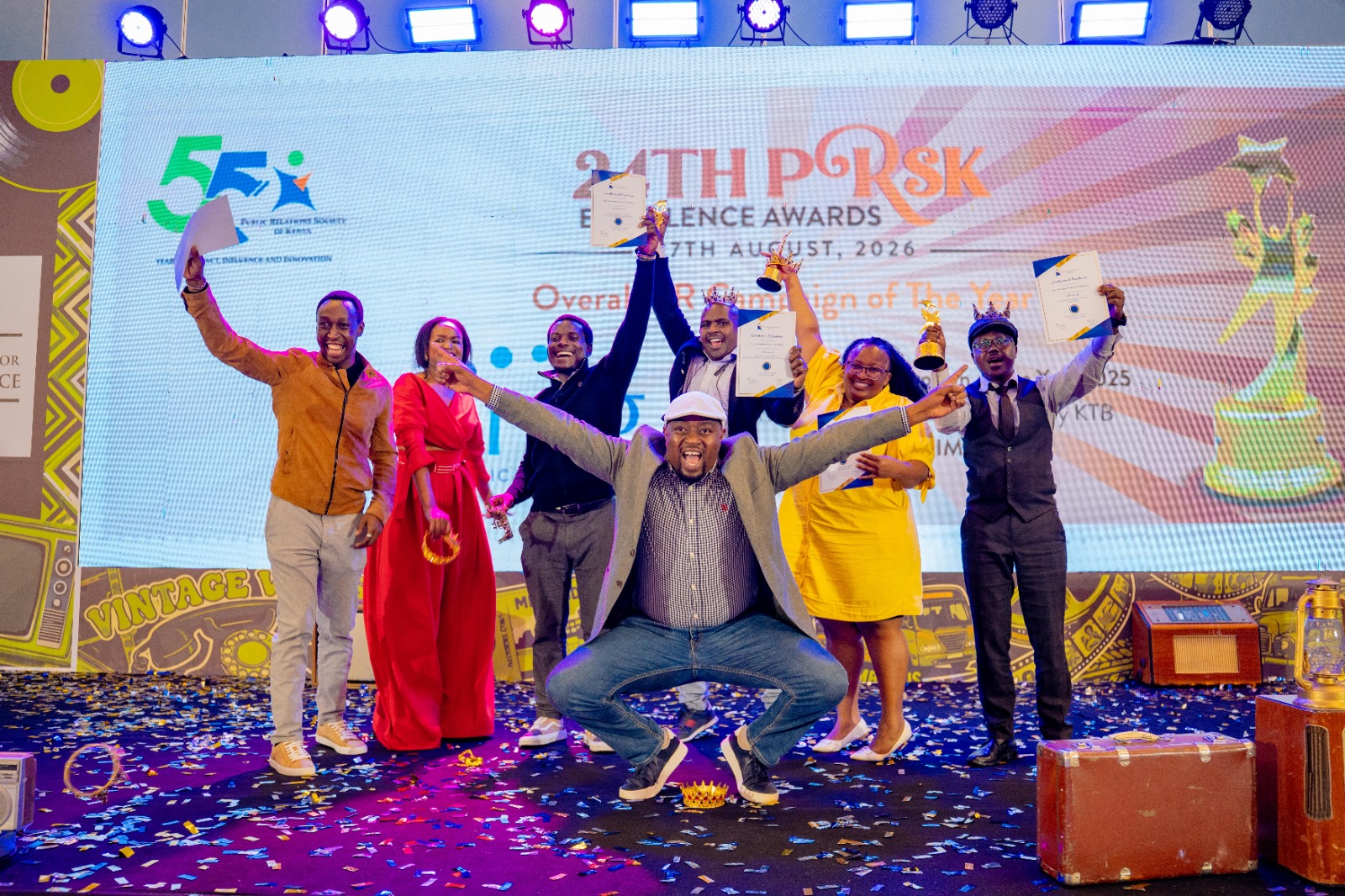
Hezron Ochiel is a Strategic Communications Expert at Kenya Medical Training College (KMTC), a leading government health training institution in Kenya. He is a PRSK Moran Award winner, a visibility strategist, and the founder of Hezron Insights. His work focuses on strategic communication, AI visibility, digital authority, and leadership storytelling across Africa.