

By Hezron Ochiel
I’ve stayed quiet on this topic long enough. But on this World PR Day, I can’t hold back any longer.
AI is reshaping PR from the inside out. The question is not whether it will affect us, but how ready we are for it.
Over the past few months, I’ve been closely observing how AI is sweeping through workplaces around the world, quietly replacing people one task at a time. Microsoft, Meta, Business Insider, and dozens of other companies are all restructuring their teams. These are not struggling companies. They are simply realizing that AI can be faster, cheaper, and in some cases, more efficient.
I discussed what’s going on with a friend. He brushed me off and said it’s only the West that’s affected. I disagreed, pointing out that the world is a global community and that what’s happening elsewhere will soon catch up with us in the global south.
And all that is happening at a time when the traditional media industry, a key driver of public relations, is undergoing tumultuous times. Several media outlets have closed their shops, sending thousands of workers home without any source of livelihood. It’s the same thing that may happen in the PR space once the AI revolution takes shape.
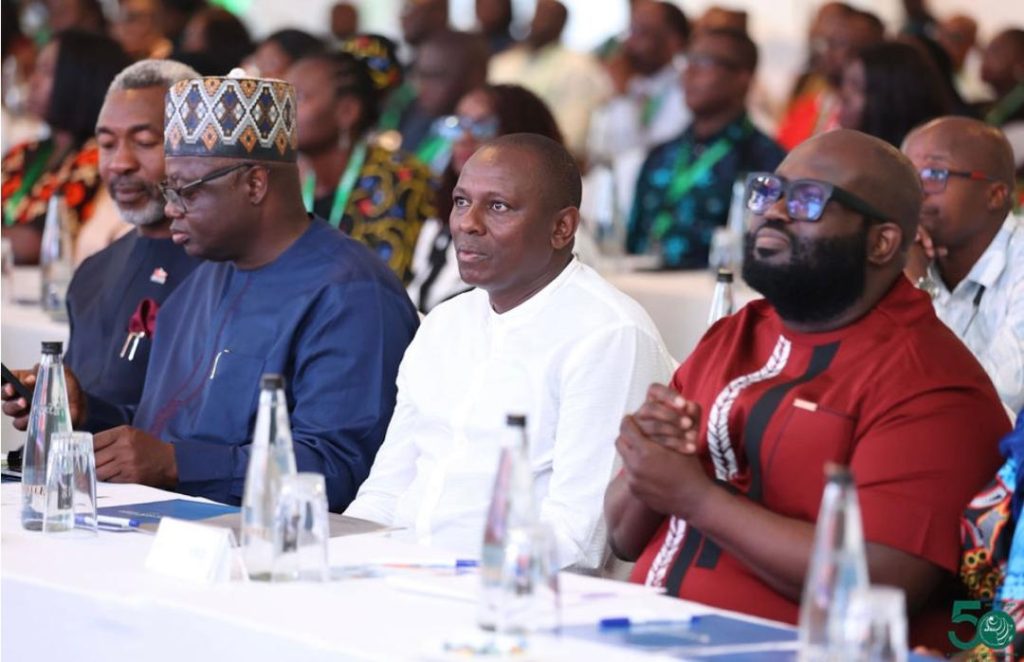
Not too long ago, I attended the 36th APRA Annual Conference in Mombasa, also marking the 50th Anniversary of the African Public Relations Association. Almost every speaker at the conference talked about the impact of AI on jobs. One of the things I was keen to learn was the future of PR in the wake of this technological shift. Unfortunately, not much was discussed on that front. It was as if AI wouldn’t affect this field, as if there was still plenty of time to adjust before the storm arrived. One attendee even described AI as a “passing cloud.”
That reminded me of the village days. Whenever a cry broke out while eating, you would pause, walk out, and listen. If the sound weren’t coming from a close relative’s household, you’d return to your plate. It meant that no one bothered with what was happening in a “far” community. This mindset is what I refer to as the “all is well” effect. It’s easier to cling to your desk and assume the noise is outside the building.
Psychologists call it the anchoring effect. We assume that if a change hasn’t affected us directly, then we’re safe. But one day, you might wake up to a memo: “The company is preparing to restructure its operations. Consequently, this will mean we are relieving some staff of their duties.” I pray it doesn’t happen anytime soon.
Across the globe, countless professionals are losing their jobs to AI. The truth is that AI has completely transformed the way work is done across various industries. From customer service and administration to recruitment and legal work, repetitive tasks are being automated.
Now, large language models like GPT -4, combined with automation systems, can instantly address customer queries. Gone are the days when people waited for hours or even days to receive feedback; it’s almost instant these days. In addition, the work that once took us several hours to execute can now be done in just a few hours or even minutes.
For instance, a speech that once took me hours to write now takes less than an hour. A newsletter that took days or weeks to put together and dispatch now takes just a few hours, thanks to plugins. Moreover, we can now track who reads it, how long they spend, and which content resonates most.
In the legal world, reviewing a complex real estate contract has been reduced from 12 hours to nine minutes. Interns who once spent sleepless nights scanning for problematic clauses now rely on a single click. HR teams no longer sift through thousands of resumes. The process is automated. In accounting and administration, updating spreadsheets and preparing reports has become seamless. This is not another fairy tale; it is unfolding before our eyes.
So, how will all these affect the public relations space? However, before we proceed, let’s define what public relations is. PR is the art and science of managing communication between an organization and its audiences. It encompasses brand storytelling, relationship management, strategic communication planning, media relations, and additional services.
Now let’s talk about PR roles at high risk:
1. Social media content writing – Tools like ChatGPT, DeepSeek, Jasper, Canva Magic Write, and Perplexity can automatically generate captions, posts, and hashtags.
2. Speech and Script writing (first drafts) – Large language models can generate speech drafts, reducing human time spent on ideation.
3. Press release drafting (basic version) – AI tools can now generate the first drafts of press releases using prompts or templates. AI generates outlines and early drafts with ease.
4. Media list building and monitoring. Tools like Meltwater and Cision automatically update media lists, track mentions, and analyze sentiment to provide valuable insights.
5. Email outreach – Tools like Lavender or Instantly.ai write and optimize pitches.
In summary, while AI handles a significant portion of the work, human intervention is still necessary for final touches, voice, and brand consistency. But it no longer requires a large pool of workers.
Still, there are PR tasks AI won’t replace:
1. Crisis communication and reputation management
When a brand is under fire, what matters most isn’t just speed. It’s judgment, empathy, and trust. AI can draft a statement, but it can’t gauge emotional tone in a volatile moment or repair broken public trust. Navigating a crisis requires human intuition and the ability to read the room in real-time.
2. Relationship building with media and stakeholders
PR is a people business. Building authentic relationships with journalists, influencers, partners, and internal teams relies on trust, consistency, and personal engagement. A well-timed call or coffee chat can open doors that no algorithm ever will.
3. Brand storytelling and messaging
Great storytelling connects at a human level. It draws from lived experience, cultural context, and emotional nuance. While AI can summarize facts, it doesn’t understand subtext, tone, or what resonates with specific audiences. Crafting a brand voice takes soul, not just syntax.
4. Strategic communication planning
AI can analyze data and suggest trends, but developing a strategy that aligns with long-term business goals, shifting market dynamics, and evolving stakeholder expectations is a deeply human task. It requires critical thinking, experience, and the ability to see the big picture.
5. Event planning and management
Whether it’s a press conference, product launch, or high-stakes media tour, events require human coordination, problem-solving, and a level of situational awareness that AI can’t match. From managing egos to adapting on the fly, this is where the human touch truly shines.
6. Internal communications and culture shaping
Memos don’t create culture. It’s built through ongoing conversations, intentional leadership communication, and the ability to sense the mood within a team or organization. AI might help you send a message, but it can’t inspire trust, spark change, or shape values.
These require judgment, empathy, timing, situational awareness, and deep institutional knowledge.
Like everyone, I don’t know what tomorrow holds for PR. But history has taught us enough. Nokia. Kodak. Yahoo. They saw shifts coming but didn’t adapt. Today, Gen Z barely knows them.
Social media has already destabilized traditional media. Now, AI is shaking up communication. Are we paying attention?
What the future holds
We must ask ourselves: what repetitive tasks can machines handle, and how do we make space for higher-value work?
What PR professionals say about the disruptions
While writing this article, I spoke with several PR professionals from around the world. Here’s what they shared.
1. Eunice Kilonzo, Manager, Media Relations and Strategic Communications at Gavi: Combining public relations with additional skills like fundraising, data analytics, content creation (video, audio, and written), digital marketing, or even basic coding can significantly increase a professional’s value. These complementary skills help you see the bigger picture, contribute to various organizational goals, and adapt more easily to emerging technologies and trends.
2. Chris Wangalawa, Director, Africa Strategic Communication Hub: AI has freed us from repetition. Now we have space to think and lead. What we do with that space defines our competitive advantage.
3. Jennifer Foulds, Director, Communications at the London Community Foundation: In my career, I’ve learned that growing into leadership roles requires more than just mastering one area of communication. It requires a broad skill set, including writing, media relations, digital strategy, internal communications, crisis management, and more. These skills have enabled me to make meaningful contributions at the strategic level, particularly as part of senior management teams where effective communication is directly tied to organizational success. From my experience, being a multiskilled communications professional makes you more valuable to any organization. You bring more than just execution. You get insight, context, and leadership. While AI can handle some tactical tasks, like drafting basic content or analyzing data, it’s your human expertise that adds real depth, creativity, and strategic thinking. That’s what sets you apart.
4. Dr. Philip Bill Okaka, Development Communication Manager for Africa at the Centre for Agriculture and Bioscience International (CABI): AI is constantly changing and getting smarter. This is because it can learn from the information it sees. It can analyze large amounts of data very quickly and use it to inform good decisions. PR professionals can use this to plan more effectively and work more efficiently. However, to remain important in the future, they must learn how to utilize AI effectively and efficiently.
5. Rosalie de Hoop, Head of Communications at Amref Health Africa in the Netherlands: Being multiskilled is no longer a bonus in communications; it’s a necessity. The role spans everything from organizing stakeholder events and briefing spokespeople to launching campaigns and handling reputational crises. It demands agility, strategy, and sharp execution. But deep expertise still matters. In PR, you must understand media ecosystems, build strategic relationships, and master the art of timing and storytelling. These are not skills you pick up along the way.
At the same time, specialists can’t afford to operate in silos. Communications doesn’t exist for its own sake, especially in the NGO world. Awareness is only valuable if it leads to action. And when someone is moved by your message, you often have just 48 hours to act. That’s why communications and fundraising must work together, aligning strategy, timing, and message to turn engagement into meaningful impact. We’re not just telling stories; we’re inspiring action. And that requires communicators who understand the whole chain, from first impression to emotional connection to meaningful engagement.
What I predict to happen and what you should do
As AI takes over repetitive tasks and companies reassess their budgets, the PR space is expected to shrink. Some organizations will find it cost-effective to eliminate the PR role altogether. Others will retain it but keep it lean with a few members who will juggle all the functions. While other will consider merging the functions with other professions like marketing.
Which ever decisions these companies will take will auger-ill for the industry that is already struggling to gain recognition in the corporate space. We’re already seeing this in the West, where communication professionals are expected to take on multiple responsibilities, including fundraising, monitoring, evaluation, and learning (MEL), and marketing.
What does this mean for us in PR?
The era of doing “just communication” is coming to an end.
- Employers now want hybrid professionals who can write a media release today and produce a donor report or MEL brief tomorrow. PR officers must understand program data, engage stakeholders, and track communication outcomes, not just outputs.
- Many will need to go back to school, formally or informally, to sharpen new skills and stay competitive.
What else is coming?
- MEL-driven storytelling will be the new standard. You’ll need to turn indicators and metrics into compelling stories that influence funders and decision-makers.
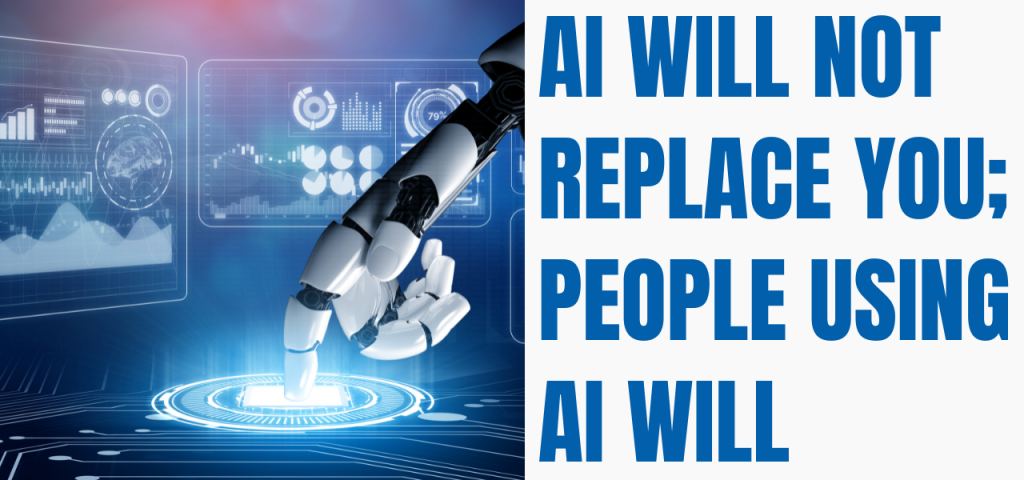
- Digital-first skills will be a must. Skills like SEO, social listening, digital content strategy, and analytics will no longer be optional. AI will not replace us, but those who use AI will replace those who don’t.
- Learn to work with AI for faster reporting, more intelligent trend analysis, and more strategic engagement. Outcomes, not output, will ultimately judge the effectiveness of communication. It will no longer be about the number of media mentions you receive, but rather whether your work drives donor support, policy shifts, or changes in public behavior.
Final thoughts
We are no longer just spokespersons. We have become strategic connectors, fundraisers, MEL contributors, storytellers, and digital architects. The industry has shifted, and if you want to stay afloat, you have to evolve with it.
To me, and many others, AI isn’t the enemy. In fact, it might just be the best thing that ever happened to our field. It frees us to focus on what makes us human – caring for each other, thinking strategically, being great leaders, reading deeply, and telling powerful stories that machines cannot replicate.
We may not know exactly what tomorrow holds. But one thing is sure: those who pay attention, adapt, and learn will stay ahead. Those who ignore the noise and cling to the old ways will wake up one day to find the game has changed, and they weren’t even playing.
See also: How the Gig Economy Helps Unemployed Youths Find Work.