
By Hezron Ochiel
Not too long ago, I had a chitchat with my CEO that confirmed something I have believed for years about digital visibility and institutional reputation.
He told me that during a university conference in Nairobi, discussants wanted to know why the Kenya Medical Training College often appears when people search online for information on health training and medical education.
He had also used AI tools to search for crucial information ahead of a customer satisfaction survey dissemination meeting and noticed something interesting – tools like ChatGPT and others were becoming increasingly accurate at summarising information about KMTC, its programmes, and institutional activities.
Even in the midst of all the compliments, he emphasised that more still needed to be done to ensure that information about the College (KMTC) being summarised online and by AI systems remains accurate, current, and reliable.
That conversation made me particularly happy because it confirmed that our long-term digital communication strategy was beginning to bear fruit.
For several years, we had deliberately invested in strengthening KMTC’s digital footprint through what communication professionals now commonly refer to as Digital PR.
I am not writing this article for self-promotion.
My goal is to walk with you, step by step, through some of the strategies that have worked for us and to show how organisations and professionals can apply the same principles to improve visibility, search authority, backlinks, and digital trust.
Businesses and professionals are increasingly asking how Digital PR can improve SEO, build backlinks, and strengthen AI visibility. The answer lies in authority, trust, reputation, and strategic content discoverability across the digital ecosystem.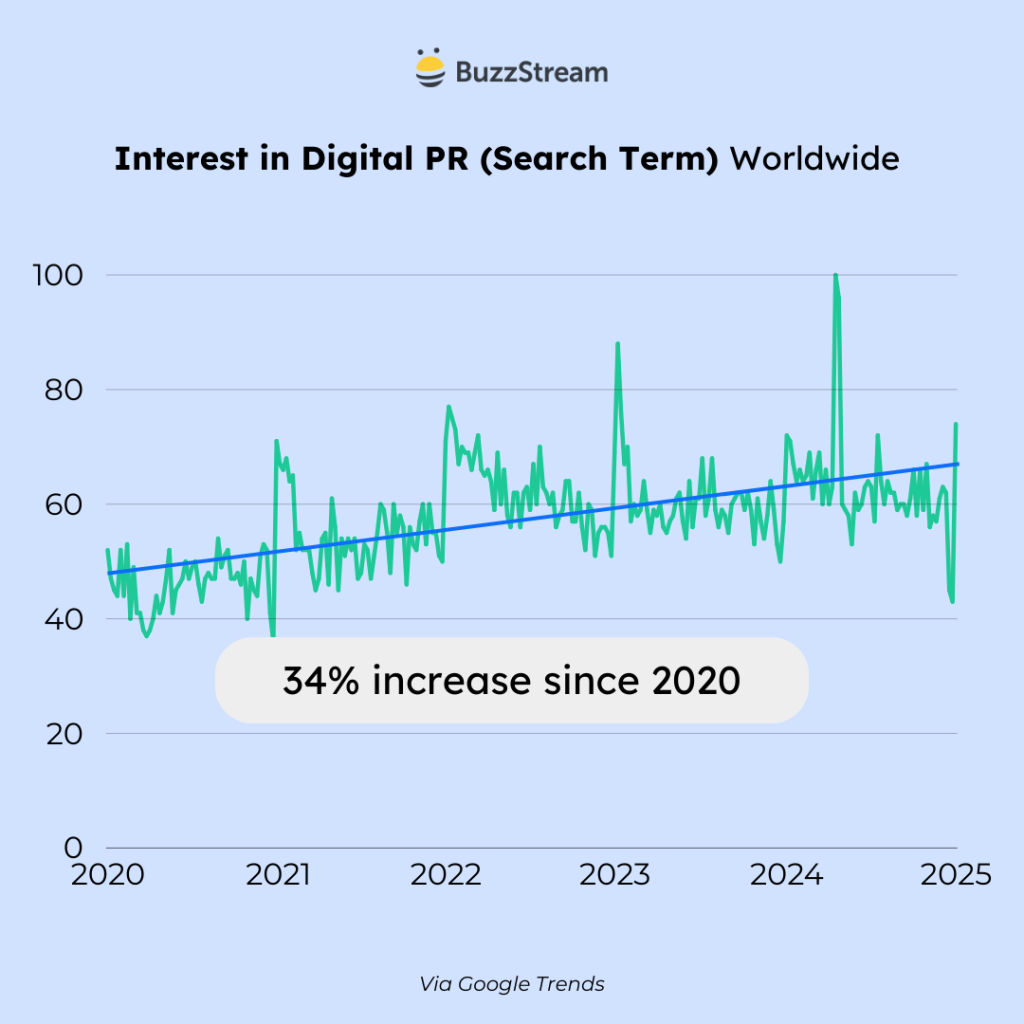
Quick Summary
- Digital PR helps improve SEO through authority building and backlinks.
- Media coverage strengthens search visibility and online authority.
- AI systems increasingly prioritise trusted and structured content.
- GEO and SEO now work together as one visibility strategy.
- Strong reputation signals improve AI discoverability.
What Is Digital PR for SEO?
Digital PR for SEO is the process of using media visibility, online reputation, authoritative publishing, and backlink acquisition to improve search engine rankings and AI discoverability.
Search Engine Land describes Digital PR as a strategy that helps brands earn online media coverage to increase awareness, generate high-quality backlinks, and support SEO performance. It further explains that Digital PR strengthens authority and improves search engine visibility through credible online mentions and references.
In simple terms, Digital PR is public relations designed for the internet age, where communication, media relations, search visibility, and online authority work together as one system.
Traditional PR mainly focused on media coverage, events, stakeholder relations, and public messaging. Digital PR still values all these elements while adding another layer that public relations practitioners can no longer afford to ignore.
Modern communication is increasingly centred on becoming visible, discoverable, referenceable, and trusted across search engines, websites, media platforms, and AI-generated summaries.
That distinction matters because brands are no longer competing only for media space. They are competing for digital authority.
Why Digital PR Matters in the Age of AI
AI systems increasingly recommend brands and experts with strong authority signals, trusted mentions, structured content, and consistent online visibility.
Why Earned Media Has Become the New Currency of Authority
Across industries, more people are beginning to realise what communicators have long understood: third-party validation matters.
People naturally trust what others say about your brand more than what you say about yourself. That reality has become even more important in the age of AI because modern AI systems rely heavily on credible external references to generate responses.
These systems pull information from billions of data points across the web, including:
- News articles,
- Blogs,
- LinkedIn posts,
- Public documents,
- Forums,
- Reviews,
- Institutional websites; and,
- Professional profiles.
When your brand is mentioned consistently across credible, recent, and well-structured sources, search engines and AI systems become more confident in understanding who you are, what you do, and why your organisation matters.
One article alone is rarely enough to build authority.
Digital authority grows when your brand is repeatedly reinforced across paid, earned, shared, and owned channels. Over time, these repeated signals create what I often call a “trusted” digital footprint.
This is why earned media has become one of the most valuable currencies in modern communication because it supports:
- Public trust,
- SEO,
- Backlinks,
- Brand authority,
- AI visibility; and,
- Institutional credibility.
Research increasingly shows how fast search behaviour is changing. A 2024 SparkToro study found that nearly 60 percent of Google searches in the United States and Europe now end without a click because users increasingly find answers directly in search results and AI-generated summaries. This means brands must focus not only on clicks, but also on becoming visible inside the answers themselves.
The 2025 Edelman Trust Barometer further reinforces this point by showing that media, business, and NGOs remain among the most trusted institutions globally, meaning that credible third-party validation continues to shape how people make decisions and form perceptions of organisations.
Why Digital PR Matters in the Age of AI
AI systems increasingly recommend brands and experts with strong authority signals, trusted mentions, structured content, and consistent online visibility.
For many years, people searched Google, clicked on websites, read articles, and then made decisions. Today, many people increasingly ask AI tools direct questions and expect immediate answers.
They ask:
- Who is an expert in strategic communication?
- Which institution offers the best medical training?
- Which organisation is trusted in public health education?
- What is the best source of information on a particular topic?
- Which institution has strong visibility in healthcare training?
AI systems do not simply invent responses. They rely on patterns of authority and credibility across the web.
This means your organisation must be present where AI systems can easily discover, understand, and trust it.
Digital PR helps organisations build that visibility through consistent digital signals and credible references. This increases the likelihood that your brand will be cited in AI-generated summaries, referenced in media reports, linked by websites, recommended by search engines, and trusted by stakeholders.
Modern visibility increasingly depends on how understandable and trustworthy your brand appears across the digital ecosystem, supported by a strong website, active digital presence, and consistent authority signals across online platforms.
The H.E.A.R.T Digital PR Framework
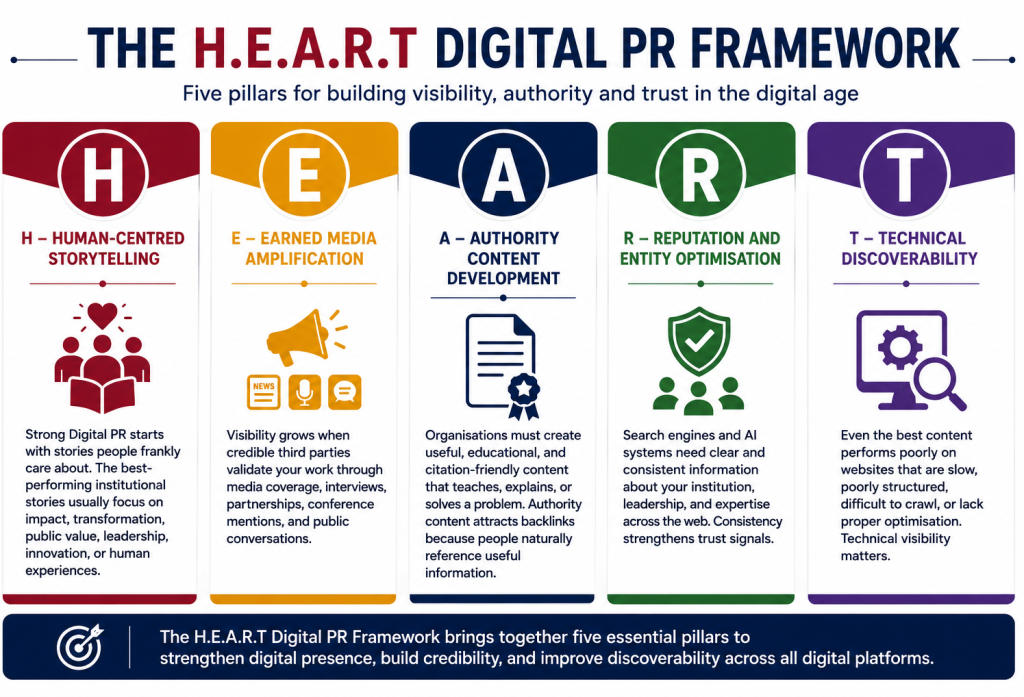
Over the years, I have come to view successful Digital PR through what I call the H.E.A.R.T Framework. The framework summarises the pillars that organisations must consistently strengthen to build lasting digital authority.
H – Human-Centred Storytelling
Strong Digital PR starts with stories people frankly care about. The best-performing institutional stories usually focus on impact, transformation, public value, leadership, innovation, or human experiences.
E – Earned Media Amplification
Visibility grows when credible third parties validate your work through media coverage, interviews, partnerships, conference mentions, and public conversations.
A – Authority Content Development
Organisations must create useful, educational, and citation-friendly content that teaches, explains, or solves a problem. Authority content attracts backlinks because people naturally reference useful information.
R – Reputation and Entity Optimisation
Search engines and AI systems need clear and consistent information about your institution, leadership, and expertise across the web. Consistency strengthens trust signals.
T – Technical Discoverability
Even the best content performs poorly when websites are slow, poorly structured, difficult to crawl, or lacking proper optimisation. Technical visibility matters.
This framework has guided much of our digital communication strategy over the years, particularly in strengthening institutional visibility and improving discoverability across digital platforms.
Digital PR vs Traditional PR
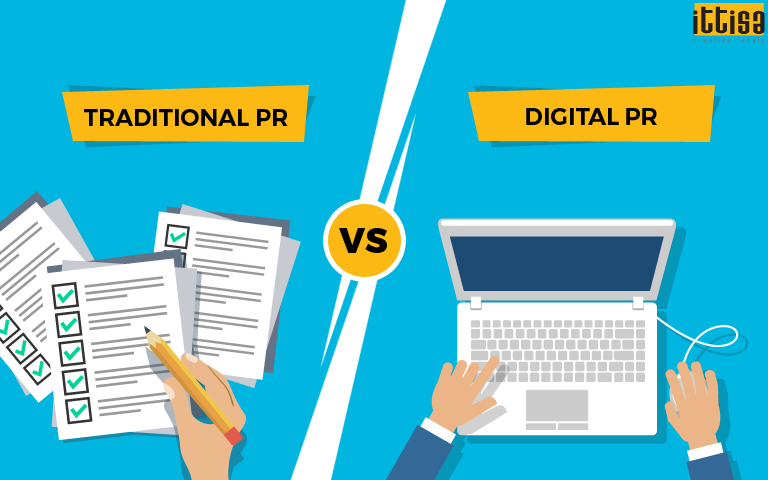
Traditional PR focuses heavily on reputation management, media relations, stakeholder engagement, events, and communication messaging.
Digital PR includes all these functions while adding search visibility, backlink acquisition, digital authority, and AI discoverability.
A traditional PR campaign may celebrate newspaper coverage.
A Digital PR campaign asks additional questions:
- Was the story published online?
- Does it include a backlink?
- Is the institution correctly described?
- Does the article support search visibility?
- Can AI systems extract accurate information from it?
- Will the story still generate visibility six months later?
Traditional PR often measures exposure.
Digital PR measures lasting discoverability and authority.
Why Digital PR Matters for SEO
SEO has evolved significantly over the years.
Ranking well in Google is no longer just about keywords. Search engines increasingly evaluate authority, trustworthiness, relevance, and credibility.
One of the strongest authority signals remains high-quality backlinks from credible websites.
What Are Backlinks?
Backlinks are links from other websites pointing to your content. Search engines often interpret backlinks as signals of trust, credibility, and relevance.
Digital PR helps organisations earn these backlinks naturally through:
- Media coverage,
- Thought leadership,
- Data-driven content,
- Expert commentary,
- Industry analysis; and,
- Useful resources.
When respected media houses, universities, professional associations, and industry websites link back to your content, they send strong trust signals to search engines.
This is why Digital PR has become more powerful than random link-building tactics.
Google itself discourages manipulative link schemes and emphasises earning links naturally through valuable content and credible references.
The goal of Digital PR is therefore not simply to chase backlinks because the strongest links are naturally earned when your content becomes useful, authoritative, and worth referencing.
Why Digital PR Builds Authority
Authority grows when people repeatedly encounter your brand across credible platforms and trusted conversations.
That visibility may come from:
- News articles,
- Expert interviews,
- Conference presentations,
- Podcasts,
- LinkedIn newsletters,
- Industry reports,
- University websites; and,
- Professional publications.
Over time, these repeated mentions create a strong authority footprint that search engines, journalists, stakeholders, and AI systems begin associating with expertise and trust.
This is partly what we have experienced at KMTC.
The latest Webometrics Rankings, released in 2026, placed KMTC among the leading institutions in Kenya and ranked it second among non-university training and research institutions, reflecting the growing strength of the College’s digital visibility and online authority.
The Webometrics Ranking evaluates institutions based on their web presence, visibility, transparency, research openness, and the overall impact of their digital footprint across the internet.
That visibility did not happen overnight. It grew from years of consistent communication, online publishing, media engagement, brand storytelling, authority writing, and deliberate digital positioning.
What Digital PR Involves
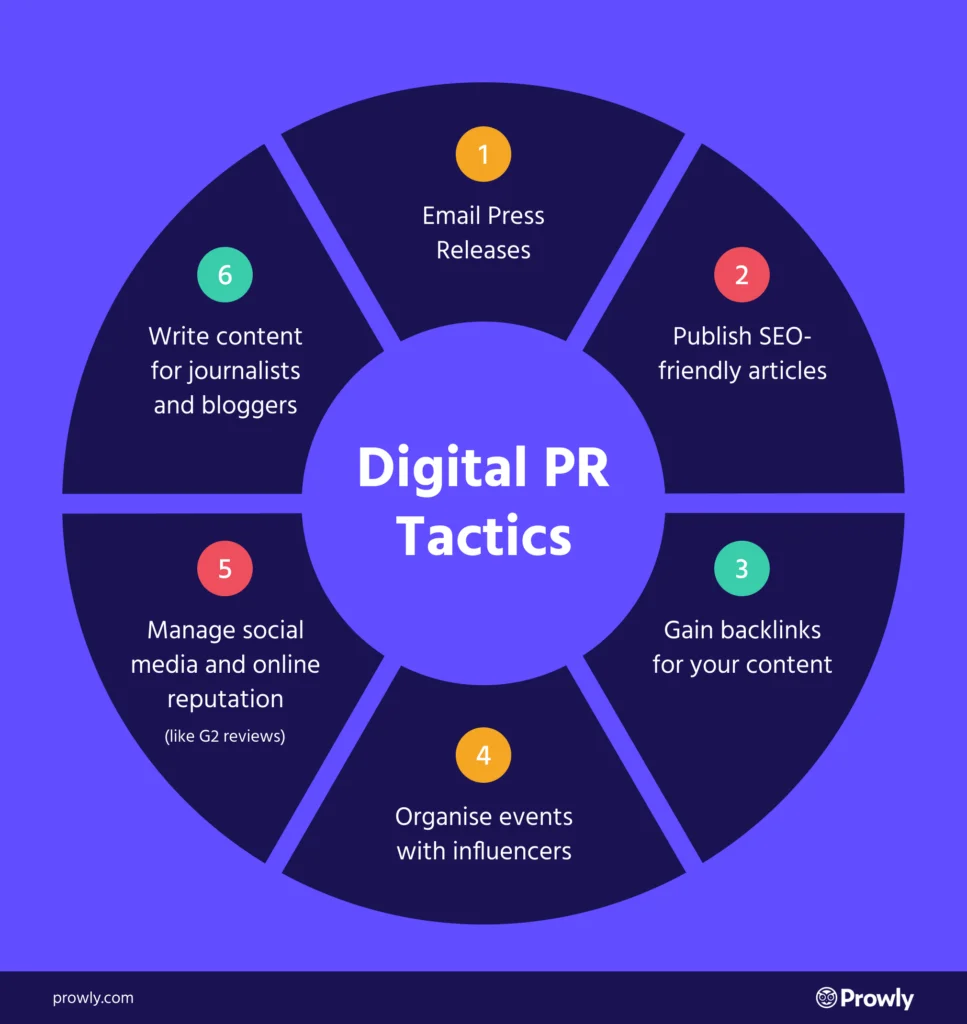
A serious Digital PR strategy involves several interconnected activities that work together to strengthen visibility and authority.
1. Authority Content Development
This involves creating content designed to be:
- Cited,
- Linked,
- Shared,
- Referenced; and,
- Summarised.
Examples include:
- Reports,
- Research explainers,
- Industry analysis,
- Thought leadership articles,
- Templates,
- White papers,
- Data stories; and,
- Expert frameworks.
Strong authority content does more than announce activities. It explains significance, provides insight, and teaches audiences something valuable. That is the type of content journalists, bloggers, universities, and AI systems naturally reference.
2. Media Relations
Digital PR still depends heavily on strong media relations.
Organisations must know how to:
- Write effective press releases,
- Pitch journalists,
- Organise media briefings,
- Prepare spokespersons; and,
- Package stories professionally.
The difference today is that every media activity should also support online visibility.
A press release should not simply be emailed to journalists. It should also be published on the website, optimised for search, clearly structured, and amplified across digital platforms.
3. Link Acquisition
Link acquisition refers to earning backlinks from credible websites.
The strongest backlinks usually come from:
- Media coverage,
- Interviews,
- Expert contributions,
- Research citations,
- Partnerships,
- University references; and,
- Industry commentary.
The best links are earned because the content genuinely adds value.
4. Entity Optimisation
Your brand is an entity.
Search engines and AI systems try to understand entities by connecting information from multiple online sources.
This means your:
- Website,
- LinkedIn profile,
- Media mentions,
- Institutional descriptions; and;
- Public records.
…should consistently describe your organisation accurately.
Consistency helps AI systems understand your expertise and reduces confusion caused by conflicting information.
5. AI Visibility Optimisation
AI visibility optimisation involves structuring content in ways that AI systems can easily understand and summarise accurately.
This requires:
- Clear explanations,
- Logical headings,
- Concise definitions,
- Structured formatting,
- Factual consistency; and,
- Authoritative references.
Well-structured content improves the likelihood of appearing in:
- AI summaries,
- Featured snippets,
- Search overviews; and,
- Voice search responses.
How to Run a Digital PR Campaign Step by Step
Step 1: Define the Authority Goal
Every Digital PR campaign should begin by identifying what the organisation wants to be known for.
Ask:
- Which topic should we own?
- Which audience should trust us?
- Which search results should we appear in?
- Which industry conversations should include our brand?
Clear authority goals help shape content strategy and media engagement.
Step 2: Develop a Strong Story Asset
Every successful Digital PR campaign needs a strong story asset.
This could be:
- A report,
- A survey,
- A case study,
- A research finding,
- A framework; or,
- An expert guide.
Weak campaigns focus on announcements.
Strong campaigns focus on useful insights.
For example:
“What 500 Customer Responses Reveal About Service Delivery in Public Institutions”
…is more likely to attract backlinks and media interest than a simple event announcement.
Step 3: Make the Content Citation-Friendly
Citation-friendly content is easier for journalists, bloggers, researchers, and AI systems to reference.
This means using:
- Clear statistics,
- Concise definitions,
- Structured sections,
- Strong headings,
- Charts; and,
- Direct insights.
Specificity increases credibility.
Step 4: Identify the Right Media Targets
Not every story belongs everywhere.
Some stories fit:
- Mainstream media,
- Industry blogs,
- Podcasts,
- Professional newsletters,
- Academic platforms; or,
- LinkedIn communities.
Digital PR becomes stronger when media outreach is intentional and audience-specific.
Step 5: Publish on Owned Channels
Your website should become the original source of your authoritative content.
This strengthens:
- Indexing,
- Search visibility,
- Credibility; and,
- Long-term discoverability.
Supporting materials such as:
- Infographics,
- FAQs,
- Downloadable reports; and,
- Social summaries
…can then be distributed across other platforms.
Step 6: Strengthen the Entity Trail
After publication, ensure your institution or personal brand is consistently represented across online platforms.
This includes:
- Author bios,
- LinkedIn descriptions,
- Institutional profiles; and,
- Media mentions.
Consistency strengthens digital authority.
Step 7: Measure Results
Digital PR should always be measured.
Key indicators include:
- Backlinks,
- Referring domains,
- Media mentions,
- Search impressions,
- AI visibility,
- Google News appearances,
- Referral traffic; and,
- Branded searches.
Useful tools include:
- Google Search Console,
- Google Analytics,
- Ahrefs,
- Semrush,
- Google Alerts; and,
- Brand24.
The Strategies That Worked for Us
Over the years, several strategies pointedly strengthened KMTC’s digital visibility.
1. Citation-Friendly Authority Writing
We shifted from writing purely informational articles and began developing content designed to educate, explain, and build institutional authority.
Articles became more:
- Structured,
- Evidence-based,
- Searchable; and,
- Citation-friendly.
2. Media Placements and Public Visibility
We consistently amplified institutional activities through:
- Media placements,
- Press briefings,
- Talk shows,
- Website stories; and,
- Social media visibility.
Consistency played a major role in strengthening online presence.
3. Entity Optimisation
We worked to ensure that accurate and consistent institutional information was available across multiple digital platforms, including Wikipedia.
This helped improve discoverability and reduce misinformation online.
4. AI Visibility Optimisation
We increasingly paid attention to how AI systems summarised institutional information and deliberately strengthened the availability of accurate, relevant, and authoritative information about the College across digital platforms.
This involved:
- Publishing consistent institutional content online,
- Strengthening the College’s digital footprint,
- Updating relevant web information,
- Improving content structure and clarity,
- Maintaining factual consistency; and,
- Developing authoritative content that AI systems can easily discover, understand, and reference accurately.
“In the age of AI search, visibility is increasingly shaped by becoming a trusted source that humans, search engines, and AI systems repeatedly recognise, reference, and recommend.”
Final Thoughts
Digital PR is essential for organisations looking to build visibility, credibility, and lasting digital authority in today’s communication environment. Communication today increasingly focuses on building searchable authority, earning trusted mentions, strengthening backlinks, and becoming a reliable source of information for both humans and machines.
The future of visibility belongs to organisations consistently building credible digital footprints that search engines, journalists, stakeholders, and AI systems trust enough to recommend. That is the real power of Digital PR in the age of AI.
Hezron Ochiel is a Strategic Communications Expert at Kenya Medical Training College (KMTC), a leading government health training institution in Kenya. He is a PRSK Moran Award winner, a visibility strategist, and the founder of Hezron Insights. His work focuses on strategic communication, AI visibility, digital authority, and leadership storytelling across Africa.