By Hezron Ochiel
I have been asked many times how I made my LinkedIn profile easier to discover in search.
A colleague recently asked me the same question, and it reminded me that people often treat profile optimisation as a technical task. In practice, it often comes down to being clear about what you want to be known for and making sure your profile reflects that consistently.
Before I updated my profile, I asked myself one simple question: How do I want people to discover me?
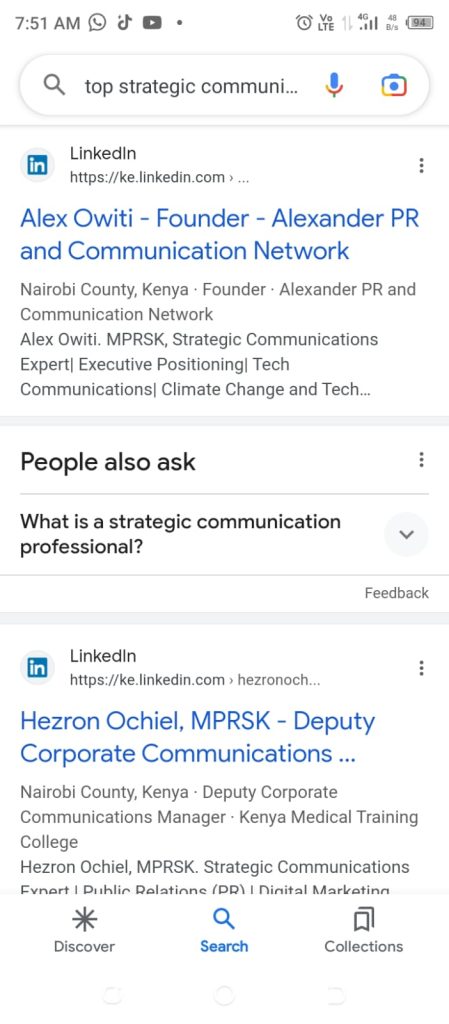
Given my background in corporate communication, I wanted to be associated with strategic communication and public relations. I therefore made sure those areas were clearly reflected across my profile.
When I test searches around strategic communication and PR expertise in Kenya, my profile often appears prominently. The exact position varies because LinkedIn personalises search results based on the person searching, their activity, network and other relevance signals.
The goal, therefore, is not to chase one fixed ranking. It is to make your profile relevant and easy to discover for the topics you genuinely want to be associated with.
Here are the steps I followed.
1. Start with a clear professional position
Your profile becomes easier to optimise when you know what you want to be known for.
Think about the words people would naturally use when looking for someone with your expertise.
In my case, terms like strategic communication and public relations reflected the work I was already doing, so I used them naturally throughout my profile.
LinkedIn recommends using keywords that accurately reflect your expertise and warns that adding more keywords does not automatically improve visibility.
The lesson is to choose a few relevant terms and use them where they genuinely describe your work.
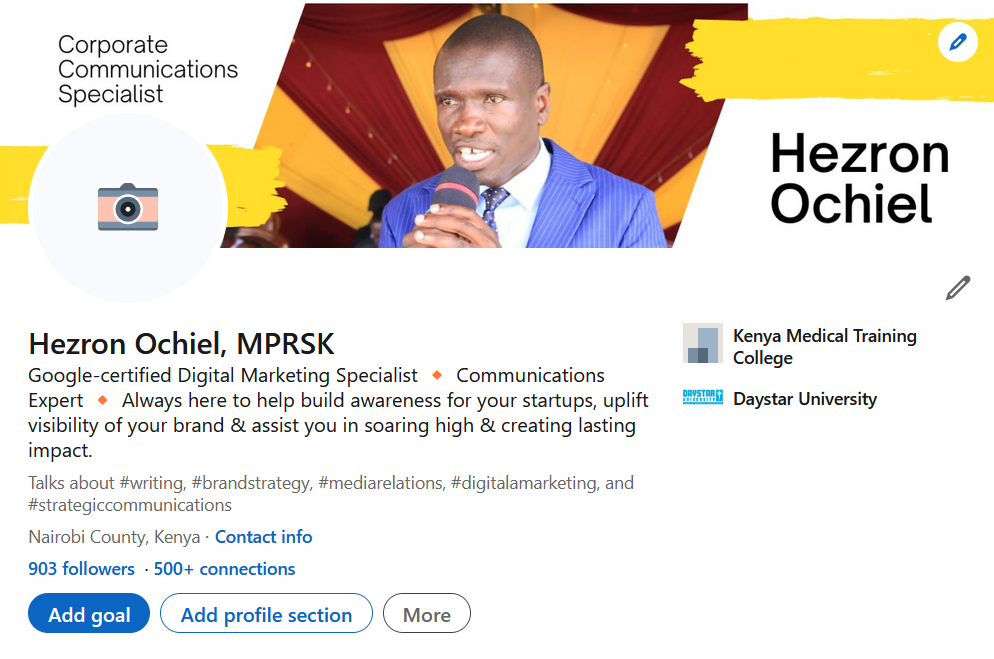
2. Make your headline work harder
Your headline is one of the clearest signals of your professional identity.
Instead of relying only on your job title, use it to explain what you actually do and the areas in which you have expertise.
A useful headline should answer a simple question: What should someone immediately understand about you?
Keep it accurate and natural. Use professional language that people are likely to search for, and avoid filling the headline with long strings of keywords.
3. Complete the sections that strengthen your professional story
A complete LinkedIn profile gives the platform more information about your experience, education, skills and professional background.
That helps LinkedIn understand where you may be relevant when people search for professionals with particular expertise.
Use your Experience and Education sections to show what you have actually done, the responsibilities you have held and the value you have created.
The stronger the connection between your positioning and your experience, the more credible your profile becomes.
4. Use the Skills section deliberately
The Skills section can reinforce the areas you want to be associated with.
Choose skills that accurately represent your work and support your professional position.
For example, if your work centres on strategic communication, your skills should strengthen that identity rather than present a collection of unrelated capabilities.
This consistency makes it easier for people to understand what you do.
5. Strengthen your About and Experience sections
Your headline introduces your professional identity, while your About and Experience sections provide the evidence.
Use the About section to explain what you do, the problems you understand and the experience you bring. Write naturally and include relevant professional terms where they fit.
Your Experience section should support those claims with real responsibilities, achievements and areas of expertise.
Search visibility becomes more valuable when people can quickly see why your experience matters.
6. Publish content around the topics you want to own
Your profile is only one part of discoverability.
The content you publish also helps people understand what you know and what you consistently talk about. This matters because LinkedIn is increasingly becoming a search engine for expertise and professional opportunity, where useful content can strengthen how people discover and understand your professional identity.
If you want to be associated with a particular professional area, write about it, explain what you are learning and share useful lessons from your experience.
LinkedIn also allows publishers to set SEO titles and descriptions for articles and newsletters, which can support discoverability in external search.
This creates another route for people to find your expertise.
Measure discoverability instead of obsessing over rank
One of the easiest traps is repeatedly searching your own name or preferred keywords to see where you rank.
LinkedIn search results are personalised, so the same search can produce different results for different people.
A better approach is to use LinkedIn’s own analytics.
Search Appearances can show how often you appeared in search and give clues about the kinds of people finding you. Profile appearances and profile views can also help you understand whether more people are encountering your professional identity across the platform.
Those signals tell you more than one isolated ranking test.
What about Google?
Your LinkedIn profile can also appear outside LinkedIn, depending on your public profile visibility settings.
For that reason, make sure your public profile clearly reflects the expertise you want associated with your name.
On websites you control, descriptive image filenames and alt text can also help search engines understand images. For LinkedIn itself, however, I would focus far more on the quality and clarity of the profile than on tactics such as renaming a profile photograph before uploading it.
The bigger lesson
LinkedIn profile optimisation is really about professional positioning.
Decide what you want to be known for, make that expertise clear across your profile and support it with experience and useful content.
Then measure whether the right people are finding you.
An easy-to-discover profile can open doors, especially when people immediately understand why your experience matters.
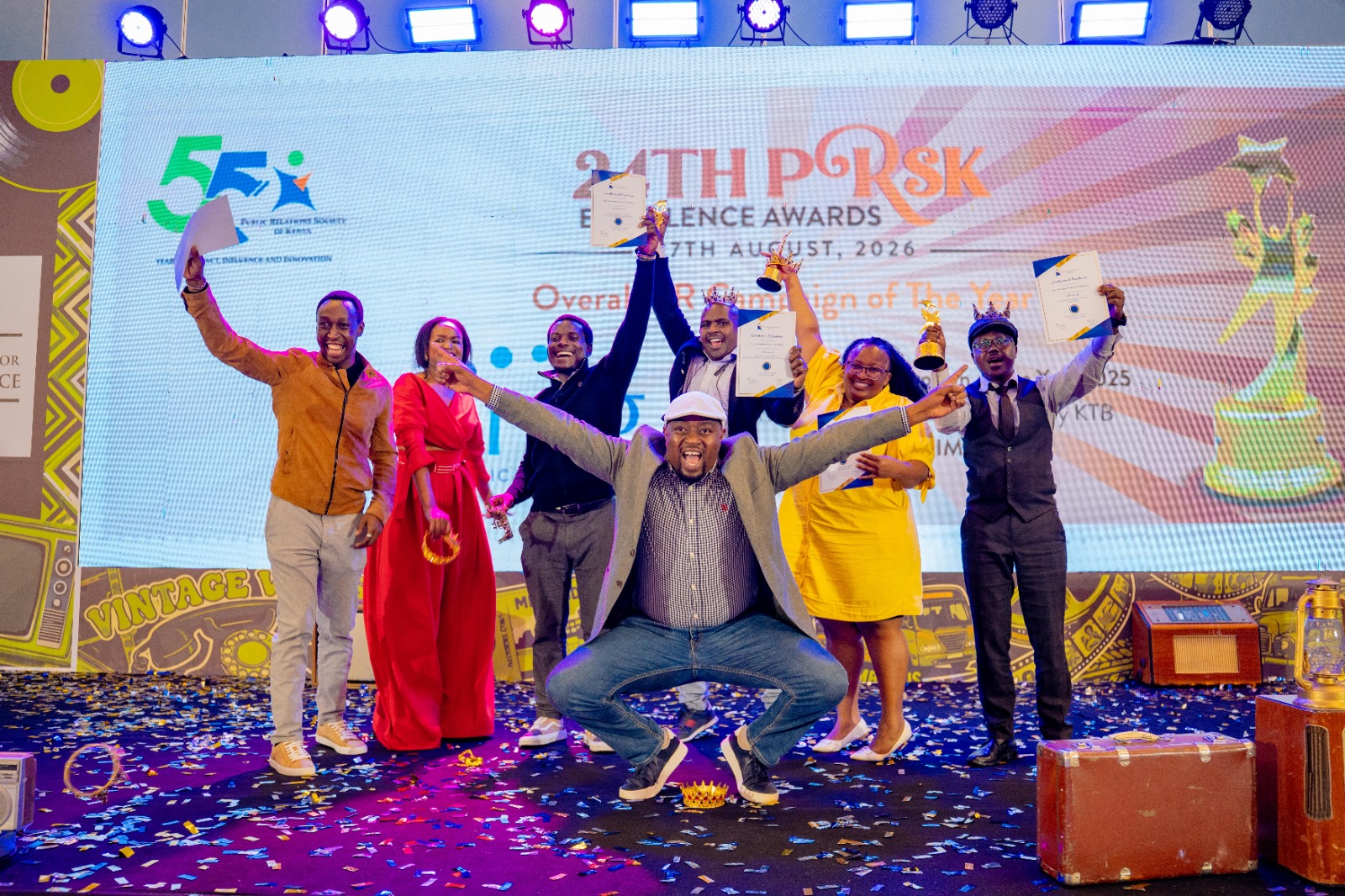
Hezron Ochiel is an award-winning strategic communications and public relations professional with over 15 years of experience in media, digital communication, and reputation strategy. He serves as the Deputy Corporate Communications Manager at the government-owned Kenya Medical Training College (KMTC) and is the founder of Hezron Insights, where he writes about AI visibility, Digital PR, SEO, GEO, and digital authority. His work has appeared on platforms including Reuters, The New Humanitarian, and The Standard.