By Hezron Ochiel
A couple of years ago, I worked with a lady who served as a project administrator and also handled reception duties.
She was one of those people everyone depended on. She managed phone calls, prepared reports and budgets, attended to walk-in clients and supported colleagues with administrative tasks.
Then I began noticing something unusual.
Whenever a particular extension appeared on her desk phone, her behaviour changed. She became visibly tense, sometimes sweating, holding her breath and hesitating before answering.
I had only been in the organisation for about two months, so I did not immediately ask what was happening. I kept wondering what kind of phone call could make someone so uncomfortable.
Several months later, I happened to be standing near her workstation when the same extension appeared.
The call was coming from one of our male colleagues.
Over time, I learned that his interactions with her were often demanding and intimidating. The pressure gradually began to show in her work. Her morale declined, her stress increased, and tasks she had previously handled with confidence became harder.
That experience taught me an important leadership lesson:
People can begin experiencing the effects of poor leadership long before an organisation notices a performance problem.
When work becomes a source of fear
A workplace can appear normal while someone inside it is constantly anxious.
The signs may begin quietly. An employee may become reserved, hesitate before speaking or lose confidence in work they once handled well.
In this case, a ringing telephone had become enough to trigger visible anxiety because repeated experiences had given that ordinary phone call meaning.
Leadership is communicated through everyday behaviour: tone, expectations, feedback and the way people are treated under pressure.
Repeated intimidation can gradually create a workplace environment in which people become more concerned with protecting themselves than contributing openly.
This connects to a wider communication problem I explore in The Weaponisation of Communication: How Words Shape Power, Perception, and Control, in which I examine how language and repeated communication patterns can shape power, belonging and people’s willingness to speak.
Fear can become a communication problem before it becomes a performance problem.
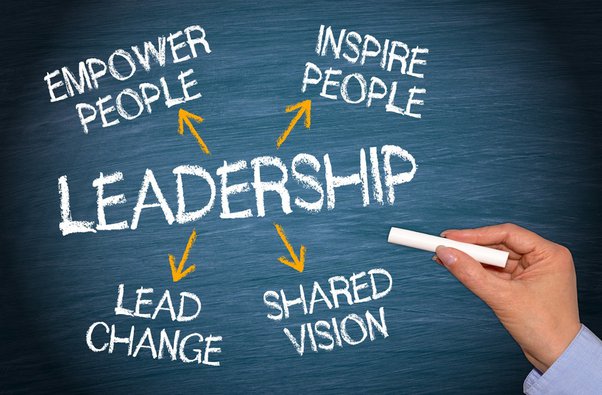
Photo Courtesy of Google
Her story gave the experience more meaning
One morning, she eventually opened up about her life.
She told me that she had lost both parents when she was 11 years old and later found refuge in the home of a good Samaritan in Kibera, Nairobi.
Her story stayed with me.
I could not know exactly how those experiences influenced the way she responded to pressure at work, and it would have been wrong for me to diagnose her.
What I understood was that every employee comes to work with a life beyond the job description. Leaders may never know the full story, which makes dignity, fairness and thoughtful communication important in every workplace interaction.
What strong leadership looks like
The experience pushed me to take leadership development more seriously.
Over time, I came to see strong leadership as creating conditions in which people can contribute, learn and grow with dignity.
A strong leader gives clear direction, communicates expectations well, listens carefully and corrects people without humiliating them.
These behaviours influence whether employees feel comfortable asking questions, admitting mistakes and raising concerns. They also shape organisational culture over time.
I explore this relationship further in The Mirror Principle: How Leadership Shapes Culture and Growth, where I examine how leaders’ everyday behaviour can become reflected in the culture around them.
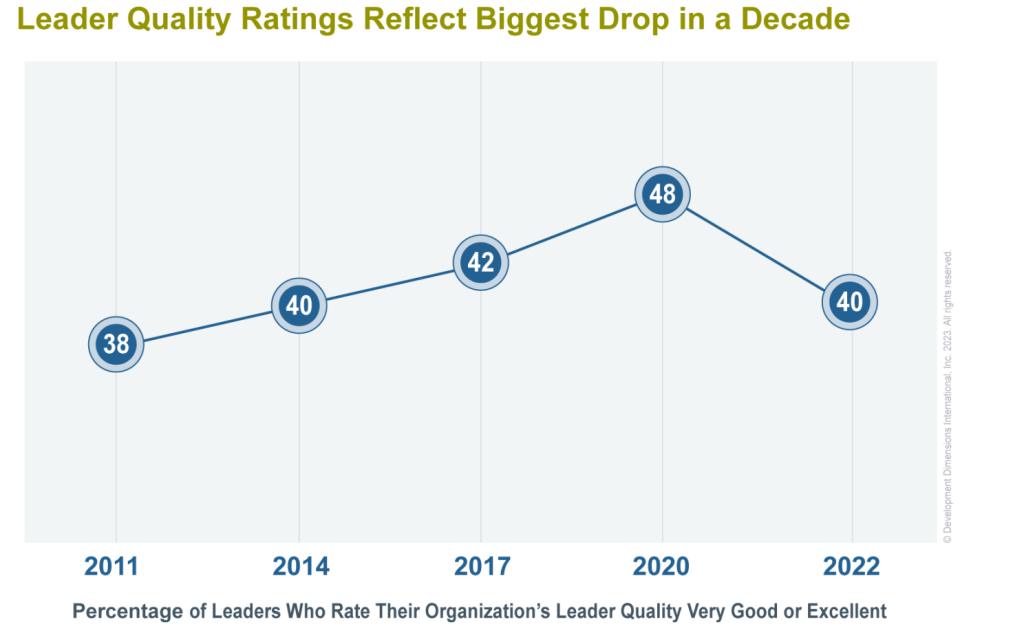
Photo Courtesy of DDI
What psychological safety means at work
Psychological safety means creating an environment where people feel able to speak, ask questions, raise concerns and admit mistakes without constantly fearing humiliation or punishment.
People should feel able to tell you when something is wrong and safe enough to admit an error early, so it can be corrected.
Accountability and high-performance standards still matter. The way leaders communicate those expectations can shape whether people respond with confidence or fear.
A difficult conversation should leave someone clear about what needs to improve and how they can improve it.
Psychological safety, therefore, has a strong communication dimension because information needs to move upwards, downwards, and across an organisation without unnecessary fear.
Three principles that guide my leadership approach
That experience also strengthened my interest in equity and inclusion.
Three principles now guide how I think about leadership.
1. Think inclusively
Listen before deciding.
People can experience the same workplace very differently, and leaders rarely see everything from their own position. Listening creates room for concerns and information that may otherwise remain hidden.
2. Act inclusively
Treat people fairly and pay attention to barriers that may prevent them from contributing.
Notice who is heard and who may be struggling quietly.
3. Learn inclusively
Stay willing to adjust.
Employees, colleagues and difficult experiences can expose gaps in our assumptions about leadership. A leader who keeps learning is better placed to recognise when their behaviour or communication needs to change.
What leaders should watch for
Psychological safety cannot be understood from policies alone.
Leaders also need to pay attention to patterns in everyday behaviour. If an employee suddenly becomes quieter, avoids a particular colleague or shows a noticeable decline in confidence, it may be a sign that something has changed.
Ask what has changed, listen carefully and consider whether expectations, relationships or communication need attention.
These are also useful signals when organisations measure communication effectiveness. In What PR Teams Should Measure in 2026, I argue that communication measurement should look beyond activity to indicators such as trust, understanding, and stakeholder action.
The leadership lesson I carried forward
I did not have the leadership experience or authority at the time to solve everything happening around that colleague.
The experience still changed me.
It taught me that performance problems sometimes have a story behind them.
Before asking why someone has changed, a leader may need to ask:
What has changed around this person?
That question can reveal pressure, conflict or unclear expectations that may never appear in a performance report.
Strong leadership begins with noticing, continues with listening and requires the courage to act fairly.
Years later, I still remember that ringing telephone because it reminded me that leadership can be felt in very ordinary moments.
Sometimes, the strongest evidence of leadership is found in how people feel when your name appears on their phone.
Hezron Ochiel is an award-winning strategic communications and public relations professional with over 15 years of experience in media, digital communication and reputation strategy. He serves as the Deputy Corporate Communications Manager at the government-owned Kenya Medical Training College (KMTC) and is the founder of Hezron Insights, where he writes about AI visibility, Digital PR, SEO, GEO and digital authority. His work has appeared on platforms including Reuters, The New Humanitarian and The Standard.